


The first fire
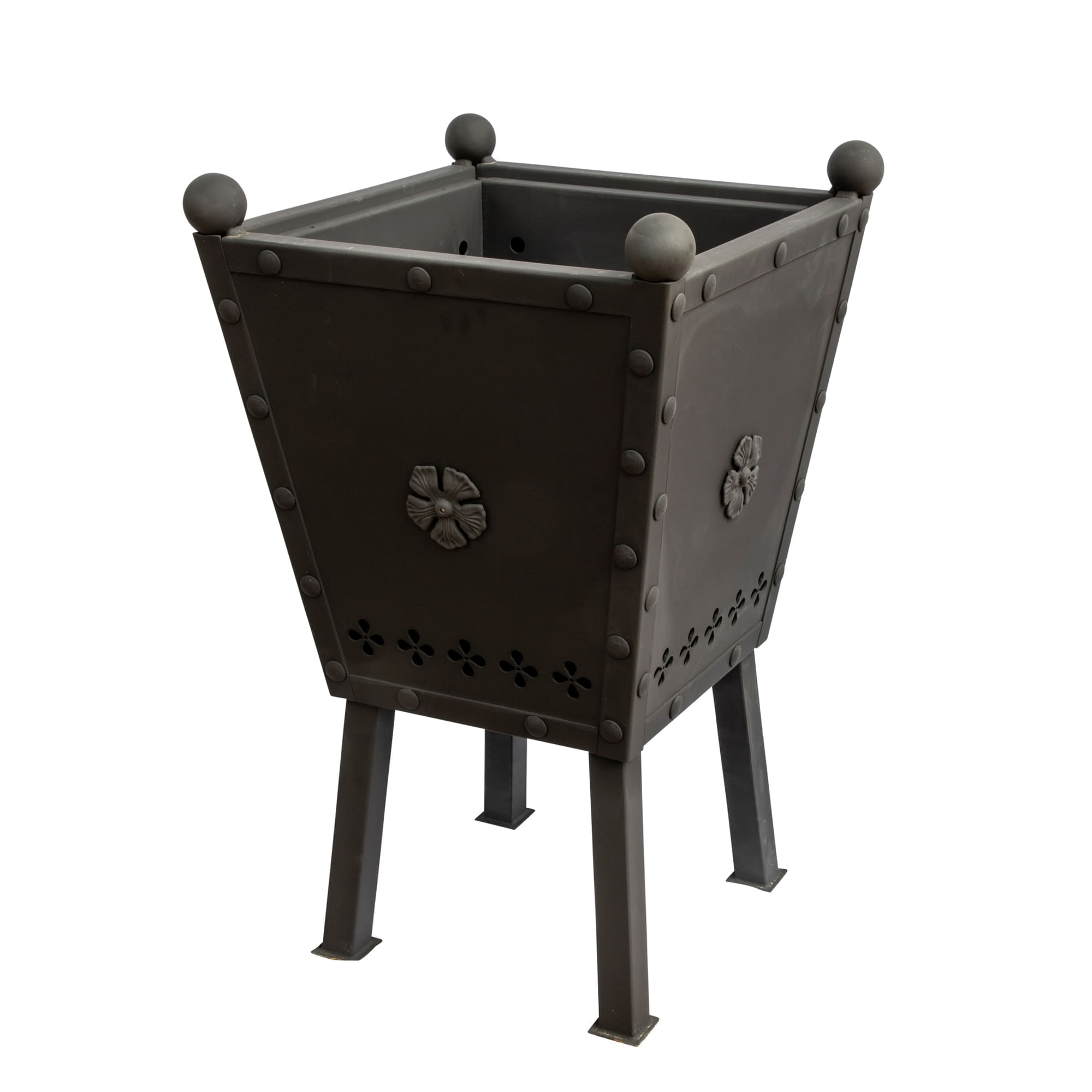
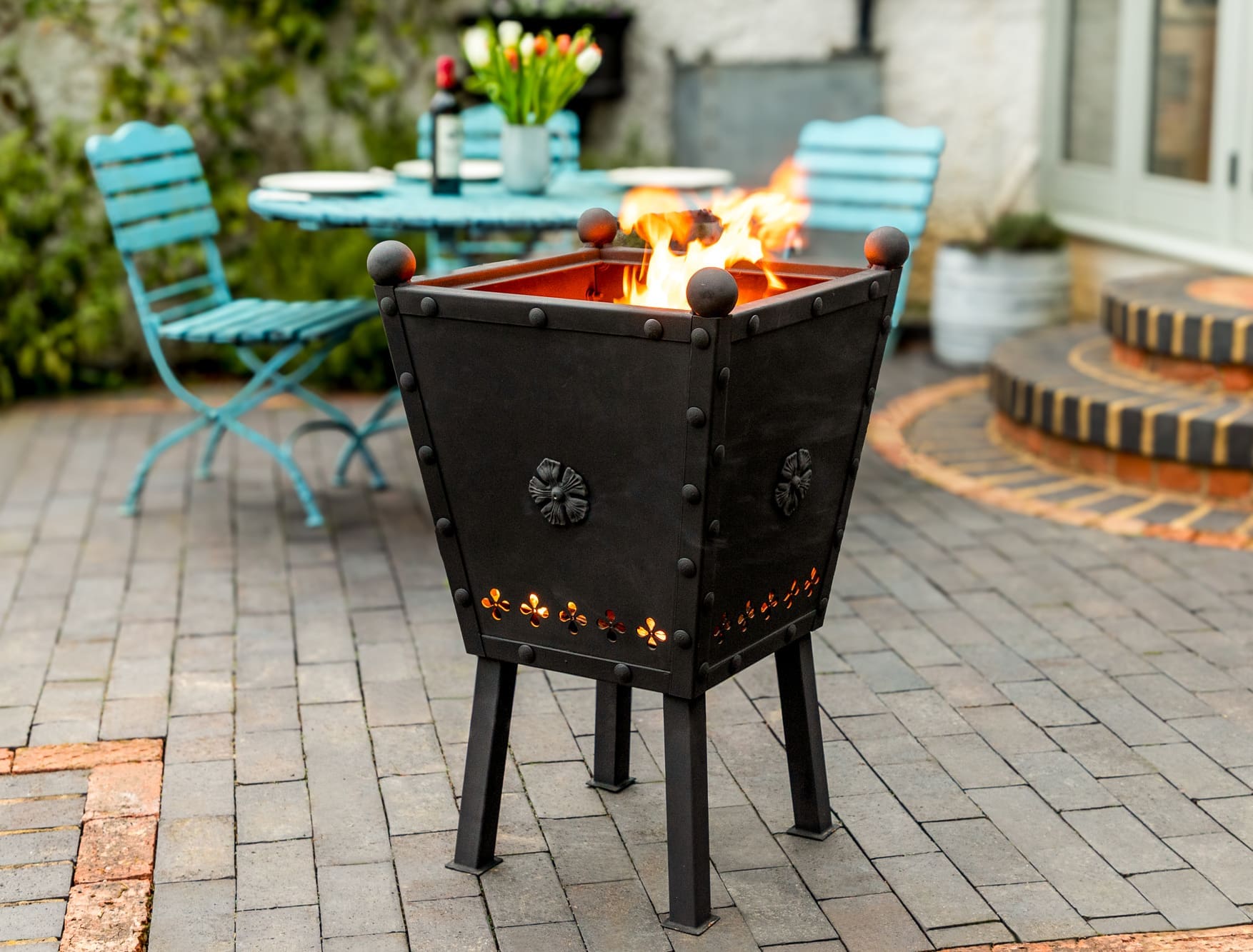
The first time you light the firepit, you’ll notice the steel darkening around the burn area. At high temperatures, steel oxidises — this is the start of darkening of the powder coat. It won’t affect the structural integrity of the metal; it’s a surface change only. After the firepit cools and you’ve had a few sessions, the interior will develop a deep, dark finish.
The first Winter
Leave your firepit outdoors over winter. It’s designed for it. The galvanised steel base and legs will handle frost and rain without rusting. The firepit bowl will develop some surface weathering — greys, dark browns, the occasional lighter patch where rainwater has run off. Some people cover the firepit bowl with a weighted tarpaulin between uses to keep debris out; others leave it entirely exposed. Both approaches work.
One thing worth doing: tip the firepit bowl to drain any standing water after rain. Water pooling in the base won’t cause structural damage, but it creates a wet ash residue that’s harder to clean.
Cleaning
Once or twice a season, brush out the ash with a stiff brush. A light wipe with a dry cloth is enough to remove loose surface oxidation from the exterior. Don’t use wire wool or abrasive pads on the outside — you’ll scratch through the powder coat finish and it will take time to recover.
After a year
By the end of the first year, your firepit will look noticeably different from the day it arrived — and considerably better. The powder coat will have settled into a range of dark greys and warm browns that no factory finish can replicate. The heat cycling from regular fires makes the steel more stable over time, not less.
If you have questions about care or want advice on using the grill plate, get in touch — we’re happy to help.